2025 is a tough crop of movies to write about. On the one hand, it featured what will be remembered as some of the greatest films of the decade, and those are pretty undeniable. On the other hand, the “middle” of the movie-going experience (the mid-budget studio films and indies, particularly for adults) is really starting to sag. It may be partially due to the Hollywood strikes of 2023, but it is becoming more difficult to find non-consensus favorites, the diamonds in the rough that make watching any new film so fun. With all the recent media consolidation news (mostly Warner Brothers in line to be purchased), I can only hope that movie-going can retain what health it still has.
With that said, there were more than enough incredible films in 2025. Of the 70 new releases that I saw, here were my favorites.
HONORABLE MENTIONS
Final Destination: Bloodlines
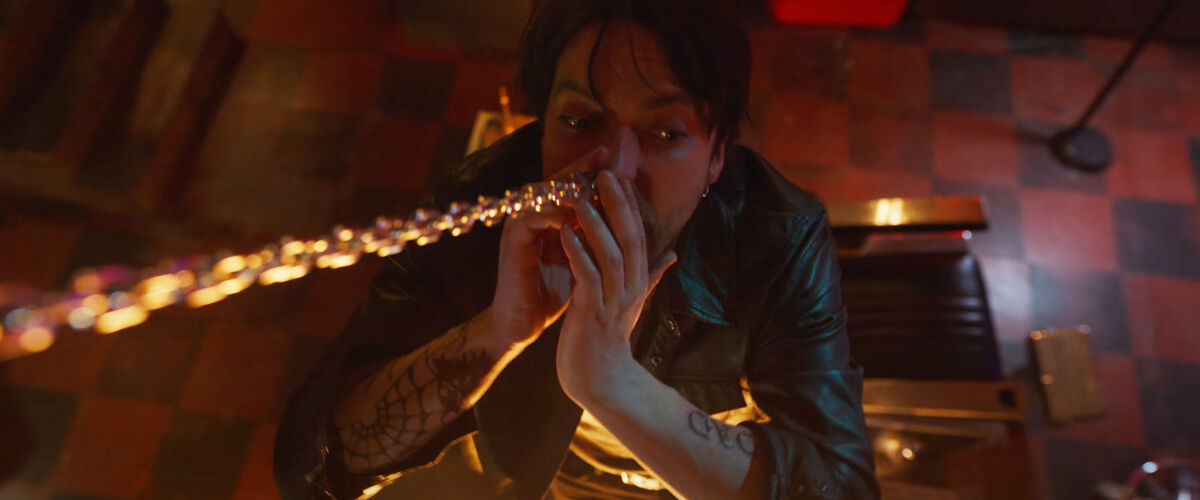
Final Destination: Bloodlines is my favorite comedy of the year, and no, I’m not joking. Filmmakers Zach Lipovsky and Adam Stein have an incredible understanding of what makes this franchise tick. Yes, Final Destination is technically a horror franchise, but it’s also from its inception been an incredibly campy one. The joy of the films comes from the Rube-Goldberg-esque ways that characters can be killed off, and the feeling that Death may (or may not!) be around any corner. They took this franchise and made the deaths full-on dark comedy set-pieces, going hard on the camp and paying homage to its history. They even manage to sneak in a phenomenal curtain call for the late horror legend Tony Todd, who gives a surprisingly emotional performance in his final on-screen role. Bloodlines sets a template that I’m not sure the franchise can afford to stray from, and I certainly hope that future iterations remember what makes the series special. (Warner Bros. / Prime Video)
Secret Mall Apartment
This is definitely my Providence nostalgia talking, but I found Secret Mall Apartment to be a delightful documentary about the ephemeral yet lasting nature of art. The story is about local art legend Michael Townsend and his band of merry artists as they find an unused space in the Providence Place Mall in the 2000s and turn it into their own personal living space. I find the film to be an excellent companion to 2010’s Exit Through the Gift Shop. That film is mostly about the commodification of art in the name of commerce, and how much of modern art may look nice but is devoid of meaning. The artists of Secret Mall Apartment, on the other hand, are making a statement about gentrification while also using art as a means to help and heal children and emotional trauma.
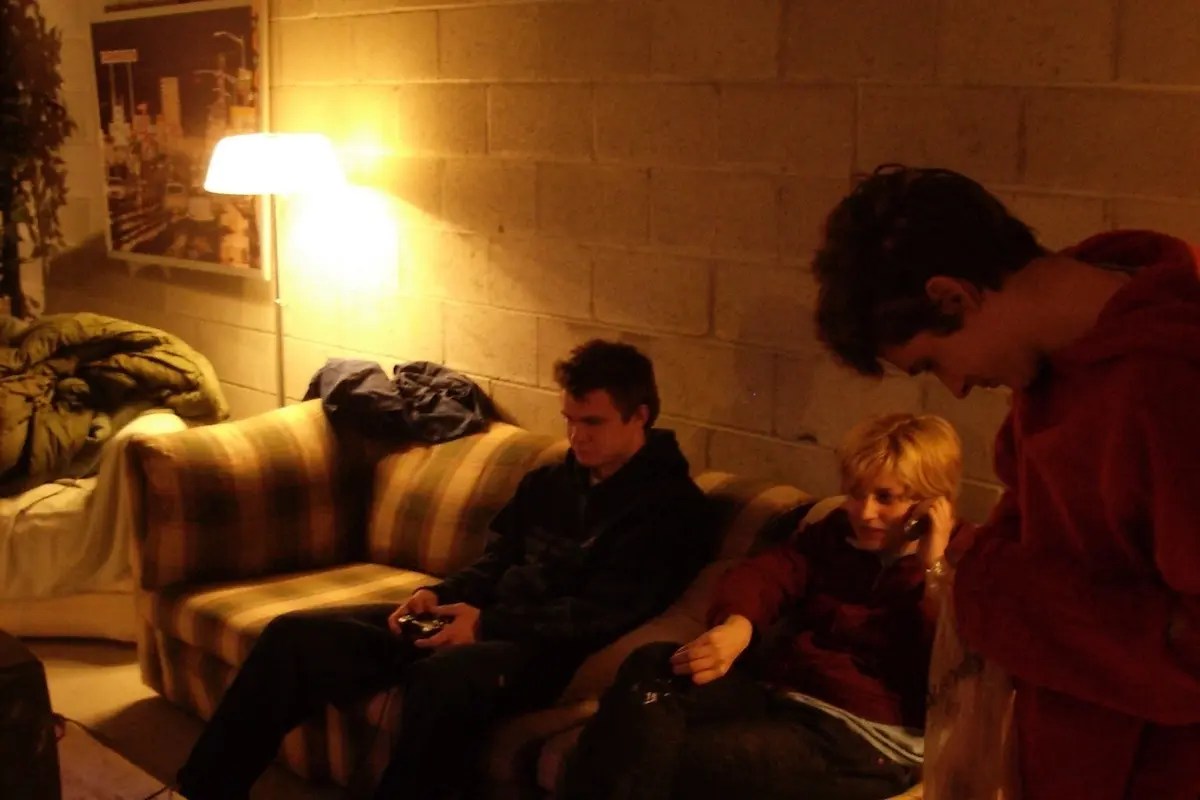
What makes the film special to me is just how much of the footage is captured from the acts themselves, even though it took place roughly 20 years ago. The artists filmed much of their exploits using a small point-and-shoot camera that, while not designed for video, did have video capabilities. As a result you get incredibly grainy footage of the subject itself, rather than needing to rely solely on recreations. One of the most interesting moments is an argument between Michael and his wife at the time Adriana captured in the mall food court as though the documentarian himself were wielding the camera; it’s those types of “real” moments that can only be captured in the moment, not through interviews or reenactments. (self-distributed / Netflix)
If I Had Legs, I’d Kick You
Well it’s a “Safdie Brothers” year, which means there have been no shortage of “stress fever dream” films. The most popular of these is Marty Supreme, a non-stop stress-ride of bad decisions and how they compound on each other. For my money though, my favorite of these is the Mary Bronstein-directed If I Had Legs, I’d Kick You. Inspired by her difficulties taking care of her own daughter during a time of special needs, Bronstein crafts a film that’s all about the difficulties of motherhood in the modern world, particularly for a mom who, while not technically single, has no true support system in her life.
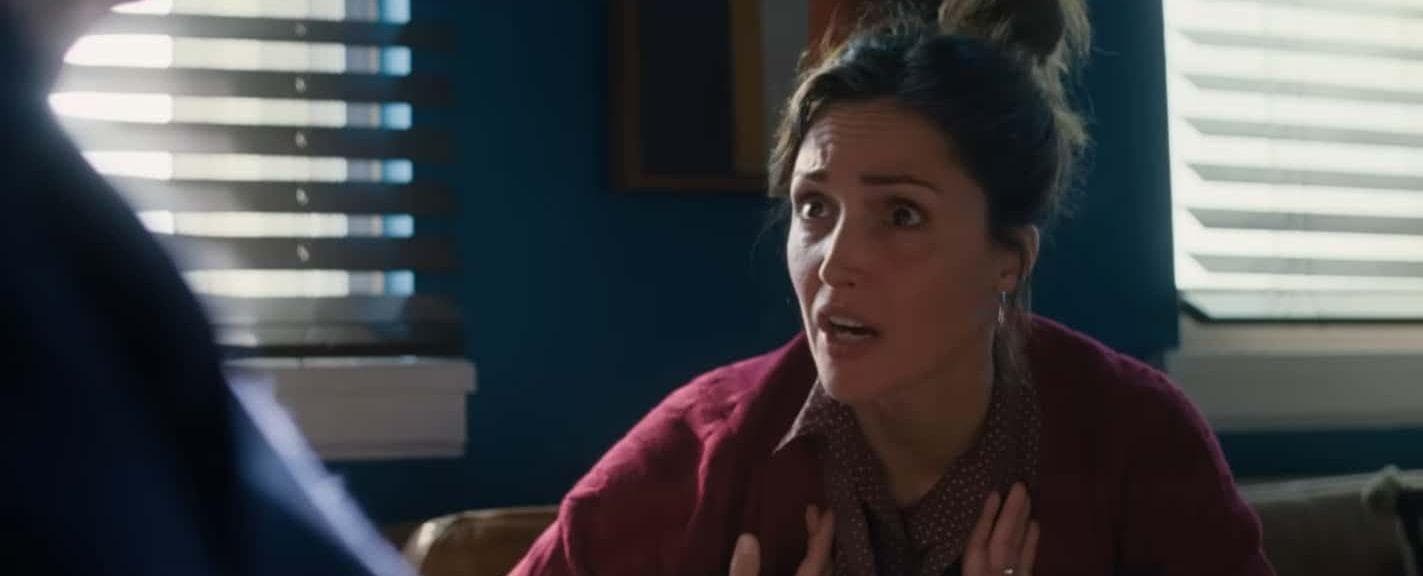
If I Had Legs, I’d Kick You is driven by the darkly hilarious performance of Linda by Rose Byrne, truly one of the best of the year as she powers and trips her way through the trials and tribulations set before her. The world feels suffocating and like its collapsing around her, all while every other character in the film is just acting as though it’s just Tuesday for them and treats Linda as though she just doesn’t have her shit together. Conan O’Brien plays against type as a straight-man therapist to Linda’s insanity, just one of many hilarious interactions with a highly-grounded supporting cast. My wife and I have just become parents, and while I cannot claim we’ve come up against even a fraction of the strife in this film, it has become much easier to empathize with even the most insanely terrible decisions that Linda makes. (A24 / HBO Max)
Bugonia
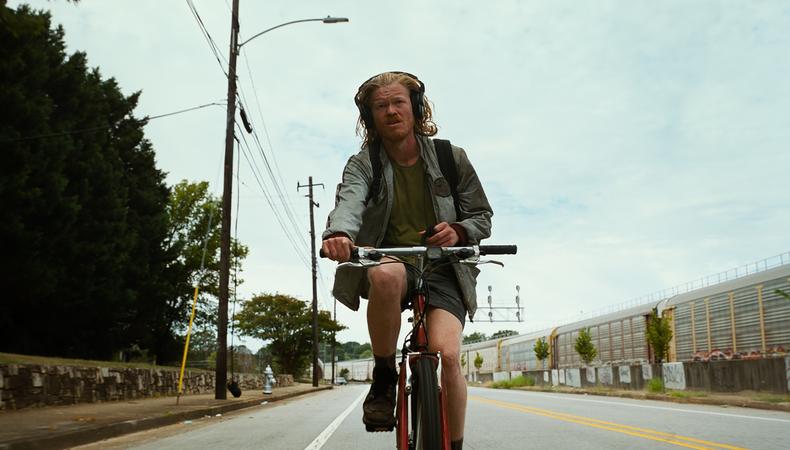
One of the running themes of films in 2025 was the growing separation in how people are living their lives. It’s present in Cloud, a film about a reseller who has ruined the lives of people he’s never met. It’s certainly present in Eddington, one I’ve already written about. And it’s also in Bugonia, Yorgos Lanthimos’s mean-spirited take on American life in 2025. Two lower-class conspiracy theorists, Teddy (Jesse Plemons) and Don (Aiden Delbis), kidnap a pharmaceutical CEO Michelle (Emma Stone), believing she is an alien from Andromeda.
There’s two parts of this film that I love, and I struggle with the glue between them. The first part is the cat-and-mouse game between the conspiracy theorists and Michelle. The conversations between Plemons and Stone are absolutely electric, and even as the conspiracies become crazier and the tactics become increasingly violent, you still can’t help but sympathize with Teddy and Don.
The second bit requires major [spoilers]. At the end of the film, it ultimately revealed that as crazy as it all sounded, Teddy was (mostly) right: Adromedans are real, and Michelle is one of them. This is the part I struggle with, and I suspect that’s part of the point. The truth is though, conspiracy theorists can be right about some things (e.g. systemic oppression), but yet can totally misinterpret how to affect change. It’s messy, it’s not my favorite, and I think there may have been a cleaner way to make a similar point. And yet Bugonia ends with one of the most memorable endings of the year: five minutes of footage of a world where every person on Earth has died simultaneously, and the surprising peace that comes along with that. (Focus Features / Peacock)
TOP TEN
10. A House of Dynamite
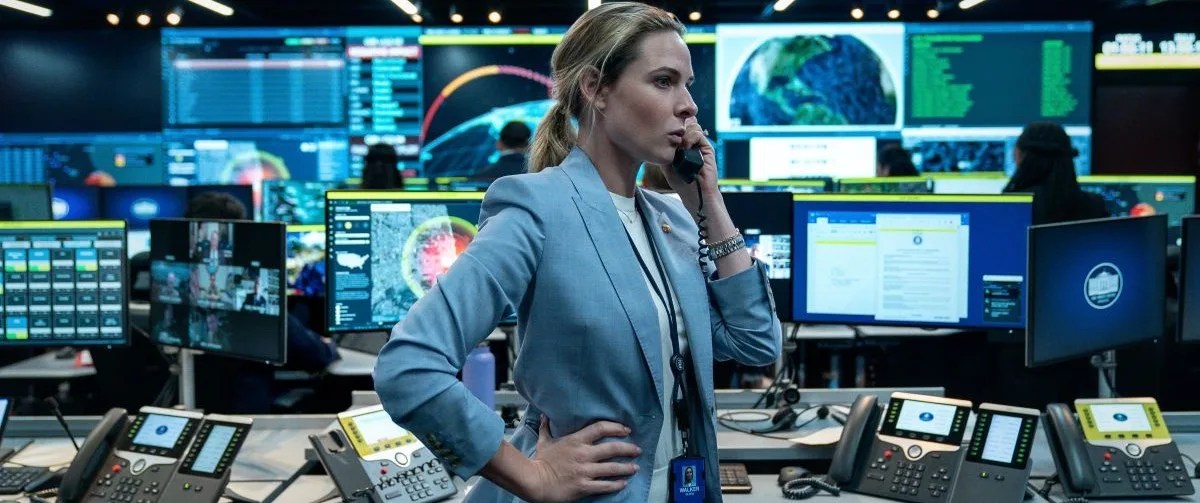
This movie got so much hate from film critics who I respect, I almost feel embarrassed to put it on my list. And to be honest, I can’t argue with some of the criticisms. Much of the symbolism is extremely on the nose. Its chapter structure and headings feel a little slap-dash. Idris Elba’s performance is confusing at best. But when a movie is really working for you, you overlook some of the flaws in favor of its strengths. There are two things I recommend knowing going into the film: 1) that the same events are depicted three separate times, and 2) that the ending is not particularly conclusive. If you go into the movie with that knowledge, I feel it really undercuts most peoples’ biggest disappointments.
The reason A House of Dynamite has stuck with me is that in its best moments, it is every bit as tense as The Hurt Locker and Zero Dark Thirty. The core message of the movie is that we’ve built a stockpile of weapons big enough to literally end humanity on this planet. And at the end of the day, the people in charge of that stockpile are just that: people. People with families, outside priorities, who are lacking the whole picture. One of the things I’ve heard as a complaint is the “cliched” backstories for the many characters: a deputy officer in charge of the Situation Room (Rebecca Ferguson) realizing she may never see her husband and son again, a Secretary of Defense (Jared Harris) devastated that he’s about to lose his daughter. But the thing is, those stories are cliched because those are regular concerns that real people have. It’s only natural that in a moment where everything is on the line, attentions and motivations might be divided.
Some [spoilers] for the ending: there isn’t really a resolution. We don’t know what President Elba ultimately decides, we don’t know how many billions die in a nuclear fire, hell we don’t even know if Chicago still exists at the end. And while anticlimactic, that’s ultimately the point. We don’t know what the world’s fate might be in the face of nuclear arsenals, but all it takes is one spark to set the powder keg ablaze. (Netflix)
9. Weapons
Much like Hereditary in 2018, Weapons is the announcement of a filmmaker in Zach Cregger with true vision and perspective. While I liked Barbarian a few years ago (particularly the first half), I found the second half went off the swivel in a way that did a disservice to the rest of the film. Not so Weapons, which not only spins a mysterious yarn in the first half, but also completely sticks the landing in its finale. Cregger has quickly established himself as a writer capable of using non-linear storytelling to full effect, and able to imbue even the darkest subject matter with wit and humor.
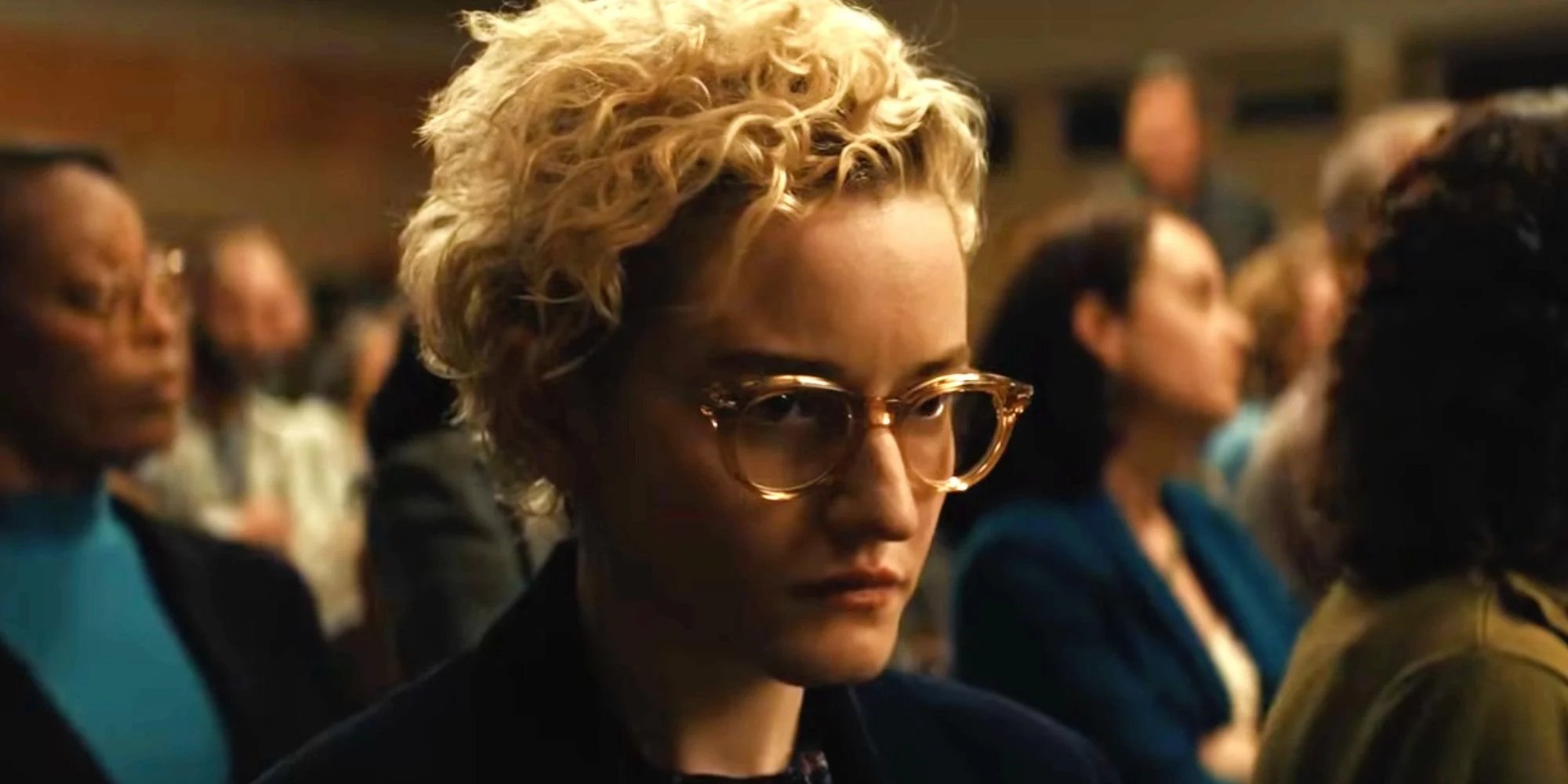
For the unfamiliar, Weapons is the story about the aftermath of tragedy. One night at 2:17 am, 17 kids from the same classroom walk out of their homes and run away, vanishing into the night. This is where the film starts, and it’s really the town’s reactions and core mystery of what happened that Cregger leans into. Sometimes the story follows obvious characters, like the somewhat messy teacher Justine (Julia Garner), and other times it veers sharply into surprising vignettes that add surprising meat to the narrative, like one following a local junkie, James (Austin Abrams). All of it comes together in the tense yet hilarious ending that I dare not spoil here.
The themes of the movie are deeply American, and while it’s easy to debate specifics, I think the movie is ultimately about how we as a society have failed our children – using them as political tools rather than protecting them. But one of the beauties of the film is that you don’t even have to clock or buy into the metaphor to enjoy it. At the end of the day, this was one of the most thrilling and exciting experiences I had in a theater all year, hanging on every twist and turn with a packed audience. (Warner Bros. / HBO Max)
8. Black Bag
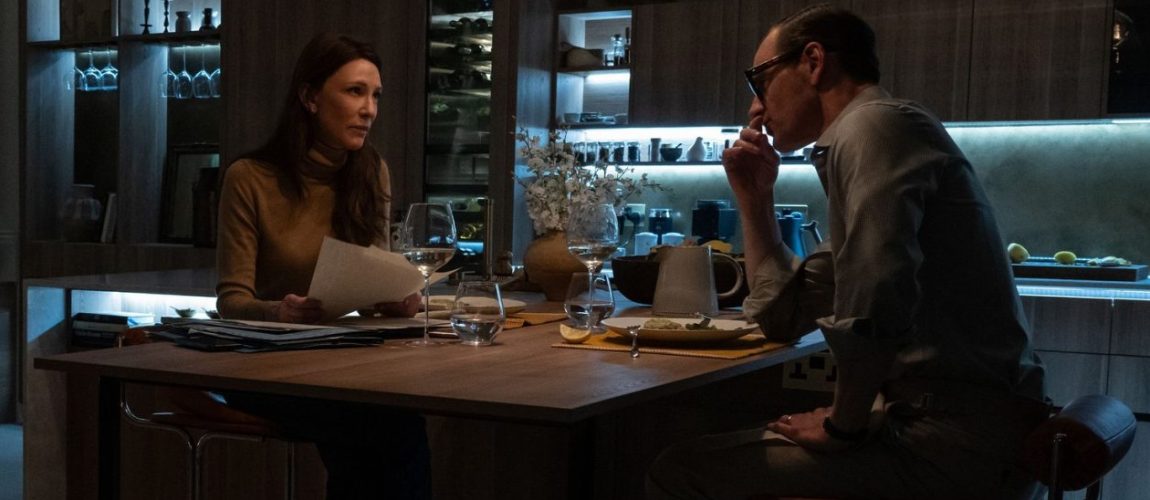
Black Bag was a Steven Soderbergh movie that I felt just kind of came and went. It tells the story of two married spies that must, by the nature of their employment, keep secrets from one another. What happens when suspicious evidence comes out that George’s (Michael Fassbender) spouse Kathryn (Cate Blanchet) may secretly be a double agent, and his assignment is to investigate? Well, I may have to dig into very mild [spoilers] to talk about it, suffice it to say it is significantly more interesting and fun than the more trite route I was expecting.
The trailers for Black Bag lead me to believe this was largely going to be a paranoid thriller where the audience watches a marriage fall apart. To my surprise, it’s quite the opposite. If anything, Black Bag is about how a strong marriage can withstand secrets and boundaries. George goes through great lengths to investigate Kathryn, while also applying his intimate knowledge of her and remaining suspicious of the powers that be.
More than anything though, this movie is just a delightfully light great time at the movies. It clocks in at a breezy 94 minutes. It features phenomenal acting from a small cast of interesting characters that we get to know, with some wonderful character dynamics. It has an extremely tight script that plays out like a pulpy mystery novel. And its major set-pieces are two tense dinner-table sequences with the verbal equivalent of tossing a live grenade into a crowded room. It’s a wonderful date-night movie, and one that has been slept on all year long. (Focus Features / Peacock)
7. It Was Just an Accident
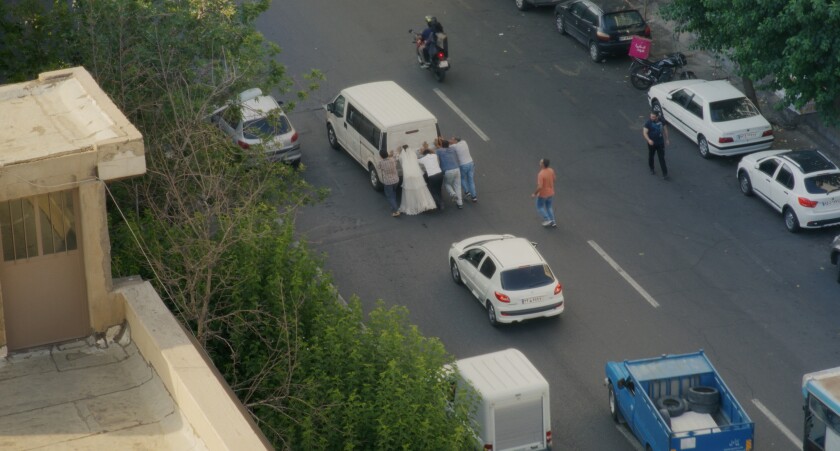
While I am passingly familiar with Iranian cinema, I have to admit that Jafar Panahi is a bit of a blindspot for me. For those who don’t know, Panahi is labeled an enemy to the (recent) Iranian regime. His films are frequently censored in his home country, he has been banned from making movies, and has even served jail time as a result. It’s worth noting that It Was Just an Accident was France’s submission for Best International Film, not Iran’s. Despite all of the above, Panahi continues to find ways to film in Iran, including this recent work which takes place in Tehran.
It Was Just an Accident is about an auto mechanic who believes he has found the source of prior torture in prison, a man he calls “Peg Leg.” He kidnaps the man and plans to kill him, before having doubts about whether he has kidnapped who he thinks he has. From there, the movie spirals out as other victims of the oppressive Iranian regime weigh in on his identity, and insist on participating in the revenge. In spite of everything I just wrote, this movie is hilarious. Panahi has just the right touch to make this film both tackle such heavy subject matter while also injecting humor and absurdism into the situation.
Ultimately It Was Just an Accident is about the tendrils of an oppressive regime, and how the damage they do lingers long after the horrible acts themselves. It’s also about cycles of violence and whether or not grace should be given at times, regardless of whether it is deserved. In many ways it reminds me of The Zone of Interest and how regular people can so casually be responsible for atrocities. I find this movie difficult to write about in March of 2026 for obvious reasons, as the situation in Iran is very different than when I saw the film. And yet, it makes this story more prescient, as even if the previous regime is in tatters, the lasting damage of both it and the current war will be felt for generations to come. (Neon / Hulu)
6. The Secret Agent
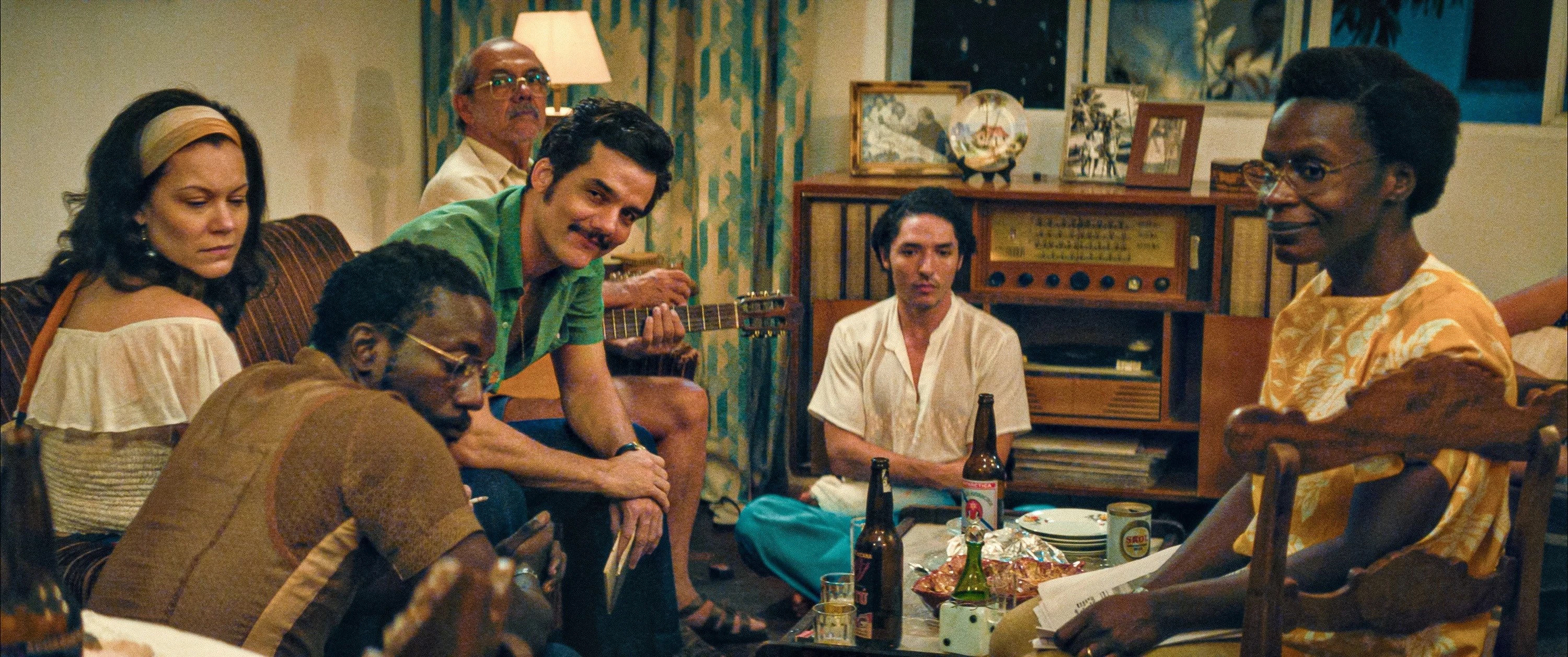
In many ways, The Secret Agent is not unlike One Battle After Another: both are 160ish-minute thriller epics about fascism and acts of resistance. Unlike One Battle, however, The Secret Agent takes that thriller and largely makes it into a chill hangout movie.
For the first half of the film, it’s difficult to even gather the basic plot details of what is happening. Marcello (Wagner Moura) is just a single father trying to navigate a corrupt Brazil to make it back to his son. He’s keeping a low profile, but the audience is left in the dark as to why, with most of the tension coming from the notion that a corrupt police force can do basically anything at any time. It’s not until halfway through the movie that the details of “Marcello’s” life come to light, in a brilliant sequence where he explains his backstory. There’s no need to spoil it here, suffice it to say it illuminates the previous hour and sets up a wonderfully thrilling ending.
What put The Secret Agent over the top for me was the framing story of two modern students doing the research and piecing Marcello’s story back together. It gives a sense of how first-hand research can bring color to the past, and how those sources can be flawed and be missing or obscuring the story between the lines. I love how vivid the world of The Secret Agent is, and could have watched another 3 hours of its characters just living their lives. (Neon / Hulu)
5. Train Dreams
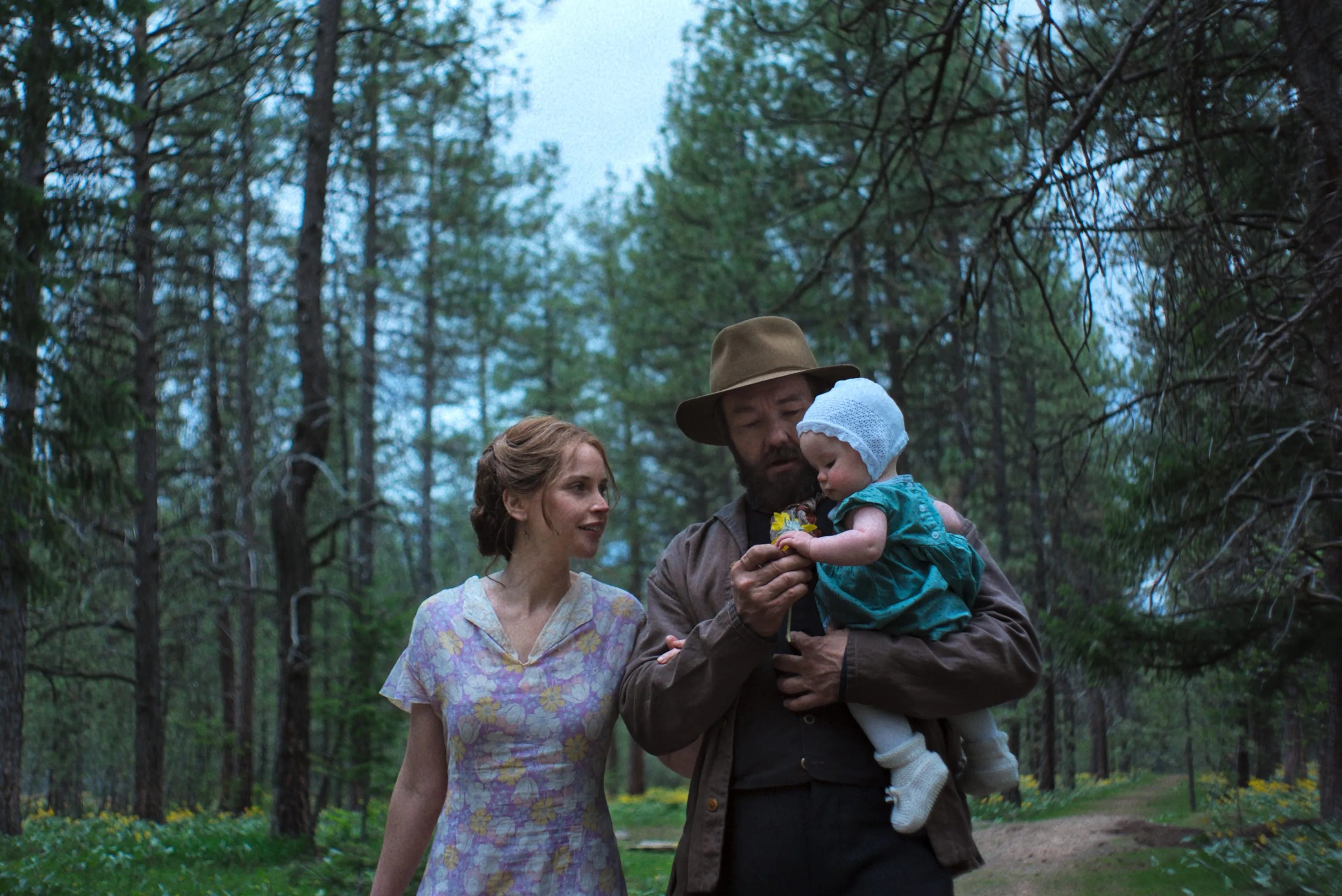
It’s difficult to put into words what makes Train Dreams a special experience. Much like Terrance Malick films such as Tree of Life or David Lowery’s phenomenal A Ghost Story, Train Dreams is something of a meditative experience about the passage of time. It tells the story of the life of Robert Grainer (Joel Edgerton), a railroad construction logman in the Pacific Northwest. Set mostly at the turn of the 20th century, the story follows Robert from birth, his time as a railroad man, his family life, eventually concluding with his death.
Ultimately the film is about how small a single man is in the span of history and even in the face of human progress. It’s told largely through a series of vignettes about the people Robert meets along the way (one highlight being a superb supporting performance by William H. Macy), and a series of comings and goings throughout his life. It also features narration (likely pulled straight from the book), which somehow feels right for this story and gives it a novelistic quality. It’s a beautiful portrait of the human condition and how fragile and precious life is. (Netflix)
4. Left-Handed Girl
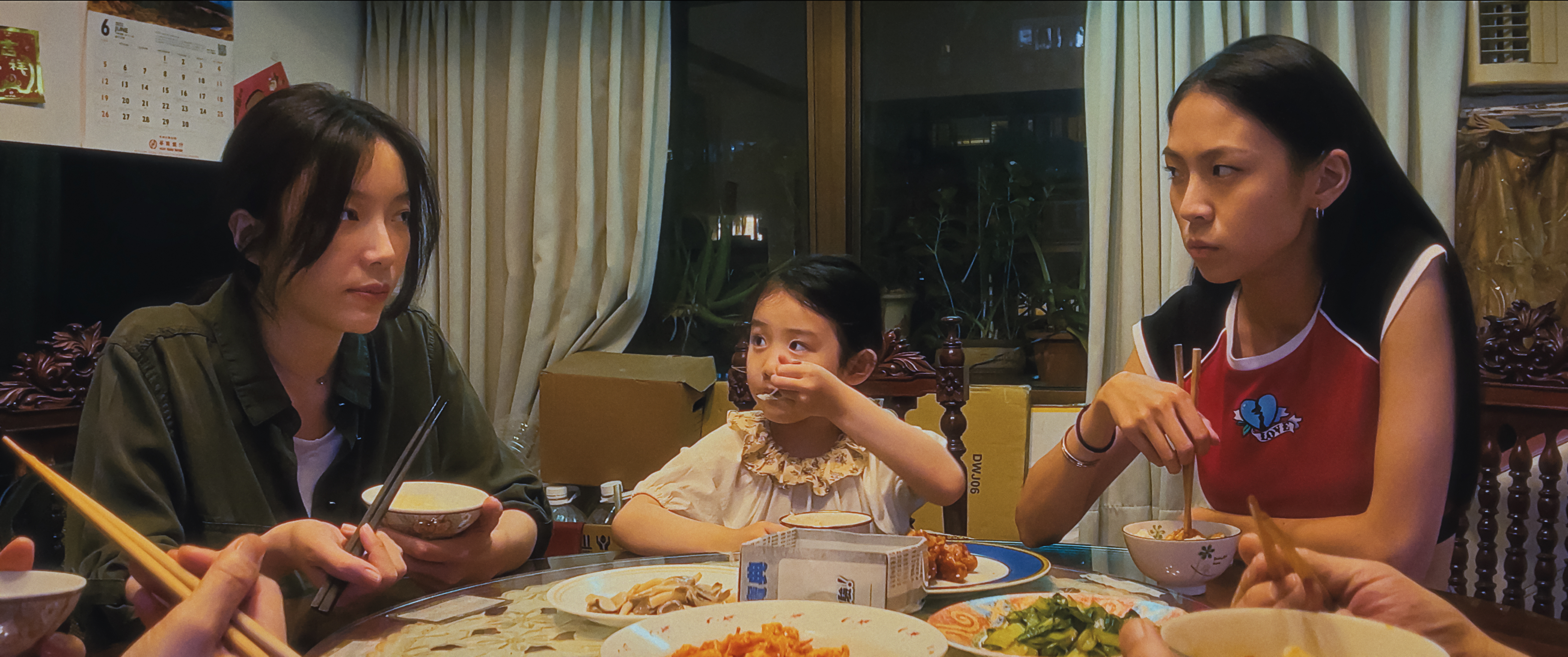
Did you know that Oscar-winner Sean Baker produced, co-wrote, and edited a film in 2025? And that that film, directed beautifully by frequent collaborator Shih-Ching Tsou, is every bit as lively and insightful as Anora, Red Rocket, or The Florida Project?
Left-Handed Girl is by far my biggest surprise of the year. It tells the story of single mother Shu-Fen (Janel Tsai) and her two daughters, I-Ann (Shih-Yuan Ma) and I-Jing (Nina Ye) as they move to Taipei and start a noodle stand in a night market. The film is very much a “slice-of-life” coming-of-age story, as 5-year-old I-Jing is learning about the world around her. This includes a “lesson” taught by her grandfather about how the left hand is “the devil’s hand,” leading her to believe that any action she takes with her dominant hand is somehow outside of her control or consequence. Meanwhile Shu-Fen and I-Ann both deal with more adult struggles, like their Shu-Fen’s ex-husband falling fatally ill and I-Ann navigating a romantic entanglement with her employer.
The themes of Left-Handed Girl really resonated with me, particularly the ones about the dangers of adhering too closely to tradition and a heavily patriarchal society. Like the Sean Baker films I listed above, I also just love how “lived-in” this film feels. Everything is shot on location, and those locations are chock full of people and life. It’s the type of film that can only exist with modern technology, as traditional film cameras and lighting rigs would be impossible in many of its sequences. It’s also just very light and heartwarming to watch the older I-Ann teach I-Jing some important lessons about consequences, and as both daughters grow together in their relationship. I highly recommend Left-Handed Girl to anyone, and it’s easily accessible via streaming. (Netflix)
3. 28 Years Later
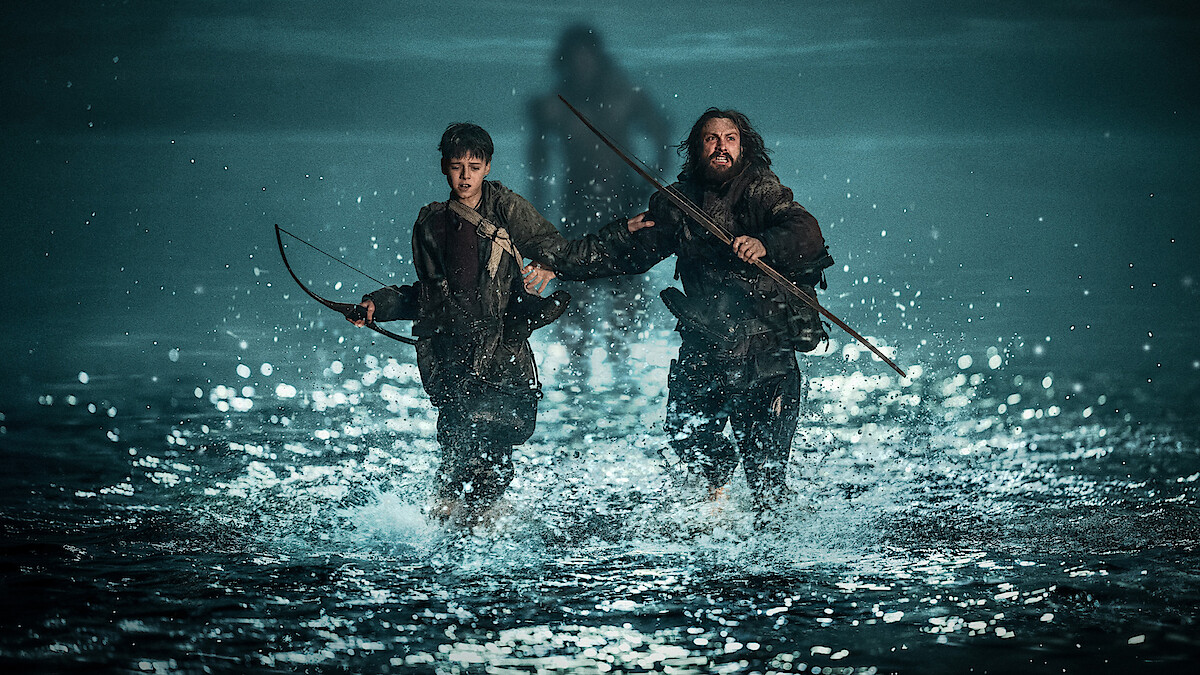
Danny Boyle is 69-years-old and has been making movies for over 30 years. And yet, he has made one of the most innovative franchise movies in decades, with some genuinely novel filmmaking to go with it. How easy would it have been to make a zombie film in the vein of the original? Instead he and screenwriter Alex Garland have created something wholly original and created a post-apocalyptic world isolated within a world that has otherwise moved on.
I realized I was watching something special when the WWI poem from the trailer, Boots, played over a montage of warfare throughout time depicted in cinema. Some of the bold filmmaking strokes, like creating pseudo bullet-time through camera arrays, capturing from unconventional camera angles, and even shooting the whole film on iPhones feel like choices of a brilliant young filmmaker, not an old master trying out new techniques.
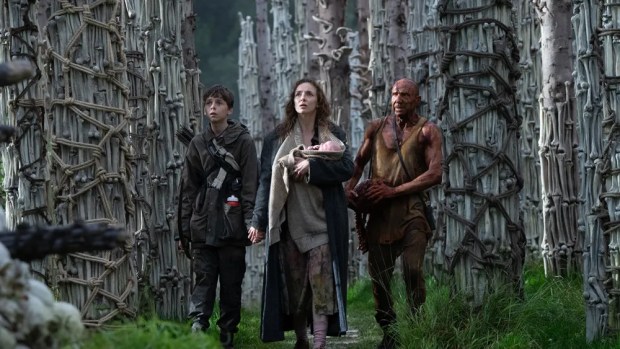
And then, the film climaxes not with some epic zombie battle, but instead with a touching sequence in which a truly insane-looking Ralph Fiennes shows compassion in a world that has been hardened by endless violence. 28 Years Later is an incredible piece of genre filmmaking, and has somehow already spawned a sequel (28 Years Later: The Bone Temple) that is almost as incredible as the first, while also being its own completely unique take on the world. I hope against hope that we continue to get the third entry in this trilogy; Boyle and Garland bring out the absolute best in one another, and I would love to see the conclusion that they envision for this story. (Sony / Netflix)
2. One Battle After Another
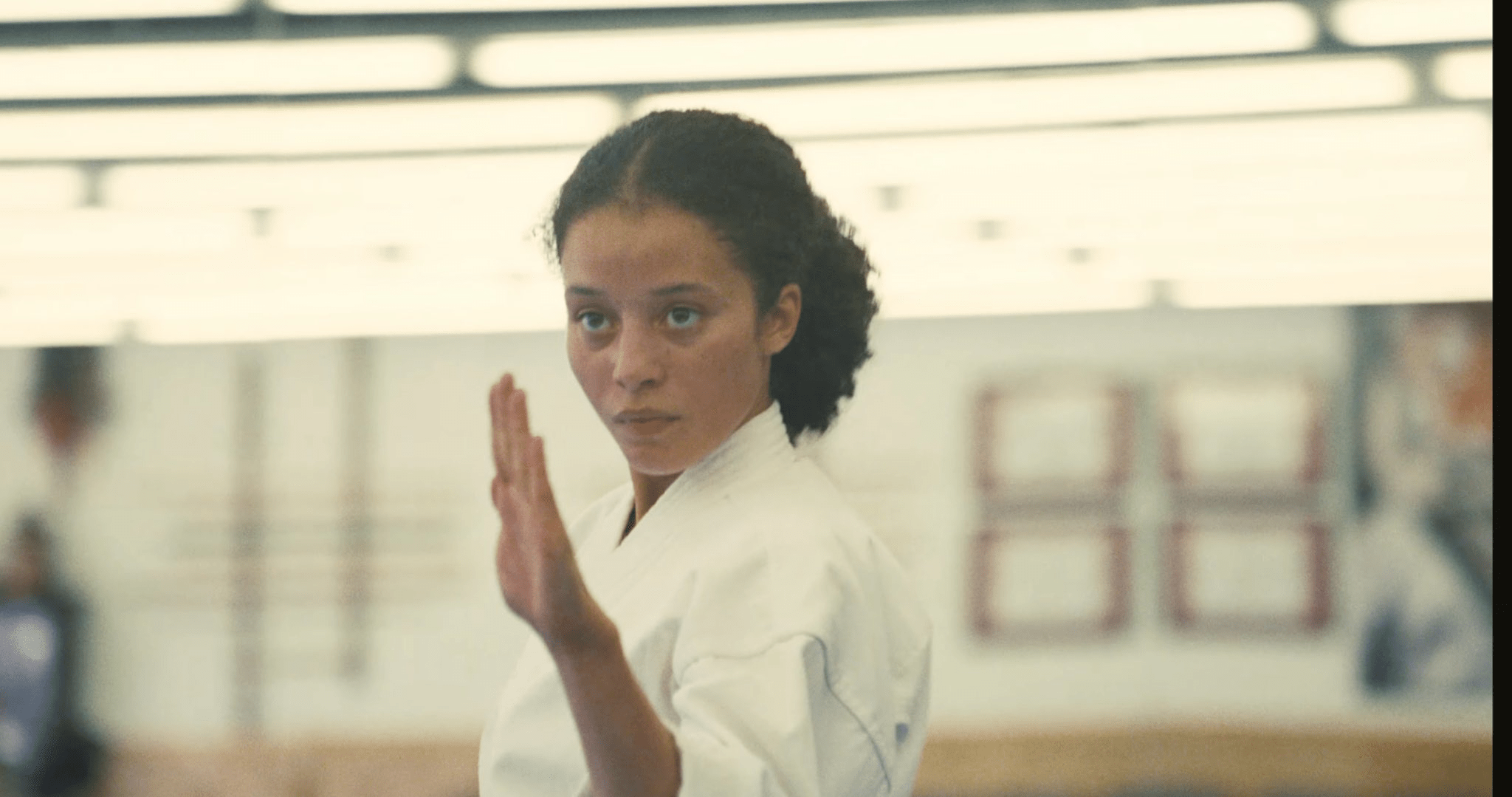
I’ve been trying to find a less conventional alternative to my top two films, which have become the two consensus “best” films of 2025. Look, One Battle After Another is the movie of the year and is impossible to deny. It’s probably Paul Thomas Anderson’s greatest masterpiece in a filmography full of masterpieces.
What more is there to say about One Battle After Another? It’s frankly unbelievable how timely the story is (and has only gotten more timely since its release). It’s a story of activism in a fight against fascism, even as some of those activist approaches tip over into terrorism. It’s a movie about what we pass on to our children, about the burnout that comes with age, and how maybe our hearts stay in the right place but our actions become compromised. It’s a movie about doing all you can to protect your children from the horrors of the world, only to realize that they have to carve their own path. And, despite its roots in a novel from 1990, it’s very much about 2020s America.
More than anything though, the movie is thrilling while also being hilarious. Leonardo DiCaprio has incredible comedic chops. From all accounts, Benicio Del Toro largely invented his character, which in many ways defines the second act of the film. For me, the standout of the film is Chase Infiniti; the major emotional heft of the film is placed on her shoulders, and she stands toe to toe with some acting giants. I’ve gone back and forth about the order of my final two picks, and ultimately I think it doesn’t matter. 2025 gave us two of the greatest films of the decade. (Warner Bros. / HBO Max)
1. Sinners
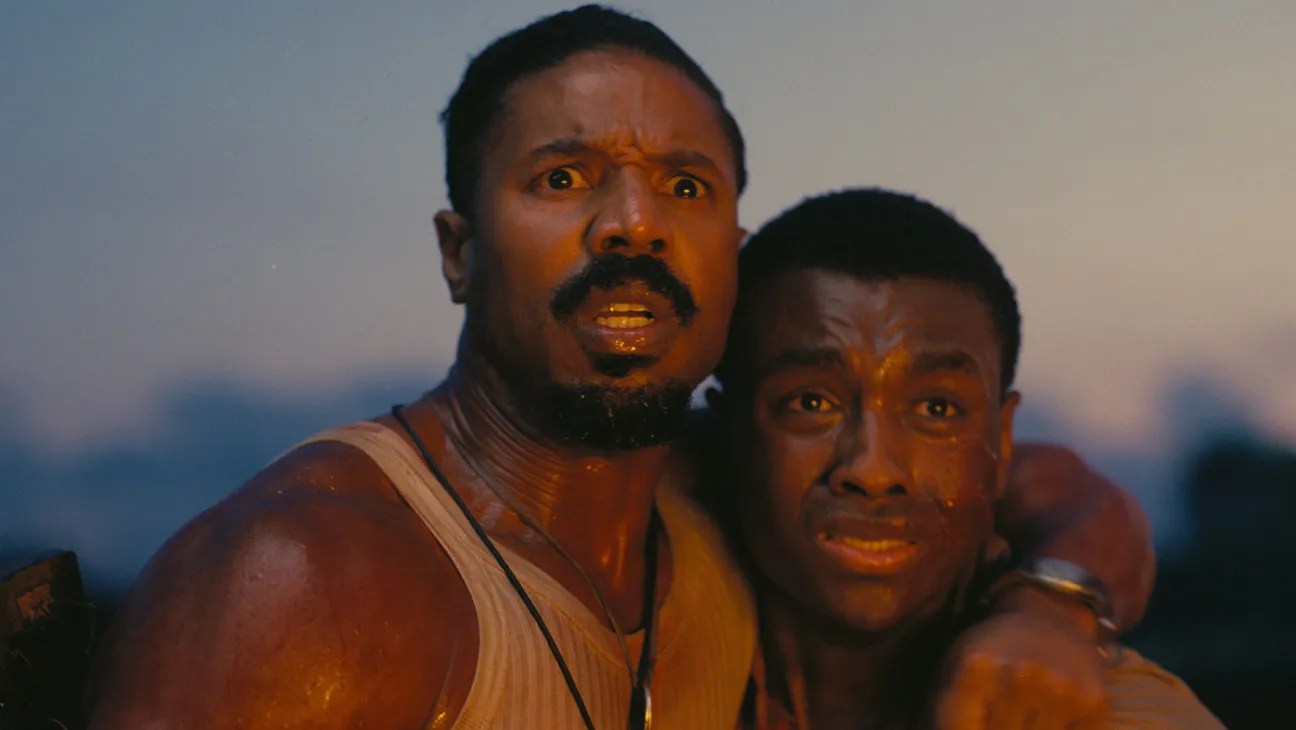
What a picture. Somehow a visionary filmmaker was given $50 million to create a wholly original historical-drama/vampire-horror/folk-musical in 2025, and basically everyone agreed that the movie owned bones. There’s so much going on in Sinners. Honestly my favorite parts of the film are completely divorced from the vampire portions; there’s a part of me that wishes we could just see the 1930s Mississippi crime drama about Smoke and Stack returning home and the tensions that come from that. But the vampire symbolism is what gives the film its thematic heft.
Somehow a movie about the blues became one of the most watched films of the year. There are probably thousands of think-pieces about the themes of cultural assimilation in Sinners. The vampires come to claim the artistic gifts of young Sammy, a musician whose talent can transcend time and space. The symbolism is not particularly subtle, but that’s what’s magical about genre filmmaking at its best. Horror in particular can use the trappings and story beats that we are all so familiar with to tell a much more real story in its subtext.
And on top of all of that, Sinners contains the single boldest filmmaking stroke of 2025: an epic musical sequence that brings African music from throughout history together in a single IMAX shot and musical climax. It’s a sequence that absolutely should not work. It’s overly sincere and should feel hokey and silly, and in the hands of any other filmmaker, I venture that it would. But in Ryan Coogler’s hands, its a truly special spectacle to behold, and is the reason we go to the movies. (Warner Bros. / HBO Max)
 Backseat Directing